Top Features Every Business Website Must Have



Is your website driving customers away without you realizing it? Many businesses lose valuable leads because they overlook essential business website features that today’s users expect. Slow loading speeds, confusing navigation and outdated design can send potential customers straight to your competitors. The good news? A few strategic improvements can transform your website into a lead-generating machine.
In this guide, discover the must-have business website features that boost user experience, improve SEO and help your business grow faster.
Table Of Contents
| 1. | Introduction |
| 2. | Why These Features Work Better Together |
| 3. | Business Website Checklist Before You Launch |
| 4. | Common Website Mistakes Businesses Should Avoid |
| 5. | Future Trends Shaping Business Websites |
| 6. | Why Investing in the Right Business Website Features Matters |
| 7. | FAQs |
| 8. | Bottom Lines + CTA |
Why Does Every Business Need a Feature-Rich Website?
Today’s customers expect more than just an attractive homepage. They want a website that loads quickly, works seamlessly across devices, provides clear information and makes it easy to take action. Businesses that fail to meet these expectations often lose valuable opportunities before conversations even begin.
Modern websites are no longer static online brochures. They function as marketing platforms, lead-generation tools, customer service channels and brand-building assets. Every feature you include contributes to how users perceive your business and whether they trust your products or services.
Investing in the right business website features also benefits your visibility in search engines. Search engines prioritize websites that provide fast, accessible and user-friendly experiences. At the same time, visitors are more likely to stay longer, explore additional pages and complete meaningful actions when your website is designed around their needs.
1. Responsive Website Design
The most important business website feature is a fully responsive website. Modern consumers access websites using smartphones, tablets, laptops and desktop computers throughout the day. Your website should automatically adapt to every screen size without compromising usability or design consistency.
A responsive website ensures that images scale correctly, navigation remains intuitive and content is easy to read regardless of the device being used. Visitors shouldn’t have to zoom in, scroll horizontally or struggle to click buttons on mobile devices. Instead, every interaction should feel natural and effortless.
Beyond improving user experience, responsive design directly impacts your search performance. Search engines prioritize mobile-friendly websites because they deliver better user experiences. A responsive website also reduces bounce rates, increases average session duration and improves conversion opportunities by ensuring visitors can complete inquiries, purchases or registrations from any device.
For businesses looking to reach today’s mobile-first audience, responsive design is no longer a luxury – it is a fundamental requirement.
2. Fast Website Performance
Website speed plays a critical role in both user satisfaction and business success. Studies consistently show that visitors expect a website to load within a few seconds. Even small delays can lead to abandoned sessions, reduced engagement and lost sales opportunities.
A professional website achieves faster loading speeds through optimized coding practices, compressed images, browser caching, content delivery networks (CDNs) and efficient hosting environments. Every technical improvement contributes to a smoother browsing experience that encourages visitors to remain on your website longer.
Fast-loading websites also perform better in search engines because page speed is an important ranking factor. When users can quickly access your content without waiting for pages to load, they are more likely to explore multiple services, submit inquiry forms or complete purchases.
Businesses that invest in performance optimization create positive first impressions while strengthening both customer satisfaction and organic search visibility.
3. Clear and Intuitive Navigation
Even the most visually impressive website can frustrate visitors if navigation is confusing. One of the defining professional website features is a navigation structure that allows users to find information quickly and effortlessly.
Visitors should immediately understand where to go after landing on your website. Well-organized menus, logical page hierarchies, search functionality and consistent navigation patterns help eliminate unnecessary friction throughout the customer journey. Whether someone is looking for your services, pricing, portfolio or contact information, every important page should be accessible within just a few clicks.
Clear navigation also supports better SEO by helping search engines understand your website structure and discover important pages more efficiently. Internally linking related pages improves crawlability while encouraging visitors to explore additional content.
Ultimately, intuitive navigation enhances both usability and engagement, making it easier for potential customers to move from interest to action.
4. Strong Brand Identity Across Every Page
A website should immediately communicate who you are, what you offer and why customers should trust your business. Consistent branding is one of the most valuable business website features because it creates familiarity and strengthens credibility.
Every page should reflect your brand through consistent use of logos, typography, colors, imagery and messaging. Visual consistency reassures visitors that they are interacting with a professional organization while reinforcing your company’s personality and values.
Brand identity goes beyond aesthetics. Your tone of voice, messaging style and value proposition should remain consistent throughout the website. Headlines, service descriptions and calls to action should all communicate a unified story that resonates with your target audience.
Businesses with cohesive branding are more memorable, appear more trustworthy and often experience stronger customer loyalty over time.
5. Clear Calls to Action That Guide Users
Every business website should have a clear objective. Whether you want visitors to request a quote, schedule a consultation, purchase a product or subscribe to a newsletter, your website should actively guide users toward that goal.
Effective calls to action (CTAs) remove uncertainty by clearly telling visitors what to do next. Instead of generic phrases like “Click Here,” action-oriented messaging such as “Book a Free Consultation,” “Request a Quote,” or “Get Started Today” creates a stronger sense of direction and urgency.
Strategic CTA placement is equally important. Calls to action should appear naturally throughout the website, including service pages, landing pages, blog posts and contact sections. They should be visually distinct without overwhelming the overall design.
When implemented correctly, well-designed CTAs improve user flow, increase lead generation and contribute significantly to overall conversion rates.
6. SEO-Friendly Website Architecture
A beautiful website offers little value if potential customers cannot find it online. SEO-friendly architecture ensures that both users and search engines can navigate your website efficiently while understanding the relationships between your pages.
An optimized website structure includes descriptive URLs, logical heading hierarchies, internal linking, optimized metadata, XML sitemaps and properly organized content. These technical elements help search engines crawl and index your pages more effectively while improving overall search visibility.
Internal linking is especially valuable because it guides visitors toward related content while distributing authority throughout your website. For example, businesses offering development services can naturally connect blog articles to their website development service page, while discussions about usability can link to dedicated UI/UX Design services. These contextual connections improve both user experience and SEO performance.
A strong website architecture creates a foundation that supports long-term organic growth, making it one of the most essential professional website features every business should prioritize.
7. User-Centered UI/UX Design
Having a beautifully appealing website is important, but true success comes from creating an experience that feels intuitive from the moment users arrive. One of the most valuable professional website features is a user-centered UI/UX design that prioritizes simplicity, accessibility and ease of use. Every interaction should help visitors accomplish their goals with minimal effort, whether they are exploring services, comparing products or submitting an enquiry.
Effective UI/UX design begins with understanding user behavior. Clear page layouts, readable typography, consistent design elements and strategically placed calls to action all contribute to a seamless experience. The fewer obstacles users encounter, the more likely they are to stay on your website and complete meaningful actions.
Businesses that invest in thoughtful UI/UX design often experience lower bounce rates, longer session durations and higher conversion rates. Instead of designing around trends, focus on creating experiences that solve real user problems while reinforcing your brand identity.
8. Website Security That Builds Customer Trust
Website security is no longer just an IT requirement – it is one of the essential business website features that directly influences customer confidence. Visitors are far more likely to engage with businesses that demonstrate they take data protection seriously. Whether users are filling out a contact form, making a purchase or sharing personal information, they expect every interaction to be secure.
An SSL certificate (HTTPS) is the first step toward creating a secure browsing experience. Beyond encryption, businesses should implement secure hosting, regular software updates, malware protection, firewall configurations, spam prevention and strong authentication measures to safeguard their websites.
Security also plays a role in search engine optimization. Search engines favor secure websites because they provide safer experiences for users. A secure website not only protects sensitive information but also strengthens your credibility, reduces cybersecurity risks and supports long-term business growth.
9. Easy Contact Options That Encourage Enquiries
One of the biggest mistakes businesses make is hiding their contact information or making it difficult for potential customers to get in touch. Visitors who are ready to inquire should never have to search extensively for your phone number, email address or contact form. Making communication simple is one of the most practical business website features you can implement.
Your contact information should be visible throughout the website, especially in the header, footer and dedicated contact page. Short enquiry forms, click to call buttons for mobile users, integrated maps, WhatsApp chat, live chat and appointment booking options can all make it easier for prospects to connect with your business.
Reducing friction during the enquiry process leads to more qualified leads and better customer experiences. When communication is fast and convenient, visitors are more likely to take the next step instead of leaving your website to explore competitors.
10. High-Quality Content That Educates and Converts
Content remains one of the most powerful drivers of website performance. While design attracts attention, informative and relevant content keeps visitors engaged and helps establish your authority. Every business website should provide valuable information that answers customer questions, demonstrates expertise and guides users toward informed decisions.
Service pages should clearly explain your offerings, benefits and unique value proposition. Blogs can educate readers, improve search visibility and address common industry challenges. Frequently Asked Questions (FAQs), case studies and resource pages further enhance credibility while supporting the customer journey.
High-quality content also strengthens SEO by helping search engines understand your expertise and relevance. Instead of publishing content solely for keywords, focus on creating helpful resources that solve real problems. This approach attracts qualified traffic, builds trust and increases the likelihood of conversions over time.
11. Customer Testimonials and Social Proof
People trust real customer experiences more than marketing claims. That is why testimonials, reviews, case studies and client success stories have become essential professional website features for businesses across every industry. Social proof reassures potential customers that others have successfully worked with your business and achieved positive results.
Rather than simply displaying star ratings, showcase detailed testimonials that explain the challenges your clients faced, how your business helped solve them and the outcomes they achieved. Including client logs, video testimonials, awards, certifications and portfolio examples further strengthens credibility.
Social proof reduces hesitation during the buying process because visitors can see evidence that your products or services deliver value. For service-based businesses, especially, trust often becomes the deciding factor between choosing your company or a competitor.
12. Accessibility for Every User
A successful website should be usable by everyone, regardless of the abilities of the devices they use. Accessibility has become one of the most important business website features, ensuring that people with visual, hearing, cognitive or motor impairments can navigate your website comfortably.
Accessible websites include readable typography, sufficient color contrast, keyboard-friendly navigation, descriptive alt text for images, properly labeled forms and clear content structures. These improvements not only support users with disabilities but also create cleaner, more intuitive experiences for all visitors.
Accessibility also benefits SEO because many accessibility best practices overlap with search engine optimization guidelines. Businesses that prioritize inclusive design expand their audience, demonstrate social responsibility and reduce the risk of excluding potential customers from their digital experience.
13. Analytics and Performance Tracking
Building a website is only the beginning. To achieve continuous growth, businesses must understand how visitors interact with their website and identify opportunities for improvement. Analytics is one of the most valuable business website features because it transforms user behavior into actionable insights.
Platforms such as Google Analytics, Google Search Console and heat mapping tools help businesses monitor important metrics, including traffic sources, page performance, user journeys, bounce rates, conversion rates and visitor demographics. This data reveals which pages perform well, where users encounter obstacles and which marketing channels generate the highest return on investment.
Regular performance analysis allows businesses to make informed decisions rather than relying on assumptions. Small improvements based on real user behavior can significantly increase engagement, lead generation and conversions over time. A data-driven approach ensures your website continues to evolve alongside changing customer expectations and business goals.
Why These Features Work Better Together
Each of these business website features delivers value on its own, but their true impact comes when they work together as part of a unified digital strategy. A responsive website that loads quickly, provides intuitive navigation, offers valuable content and includes strong security creates a positive experience that encourages visitors to stay longer and engage with your business.
Similarly, combining user-centered design with effective calls to action, accessible layouts and performance tracking creates a website that is not only attractive but also measurable and scalable. Businesses that view their website as an integrated growth platform – rather than a collection of individual pages are better positioned to improve customer satisfaction, generate qualified leads and achieve sustainable long-term growth.
Business Website Checklist Before You Launch
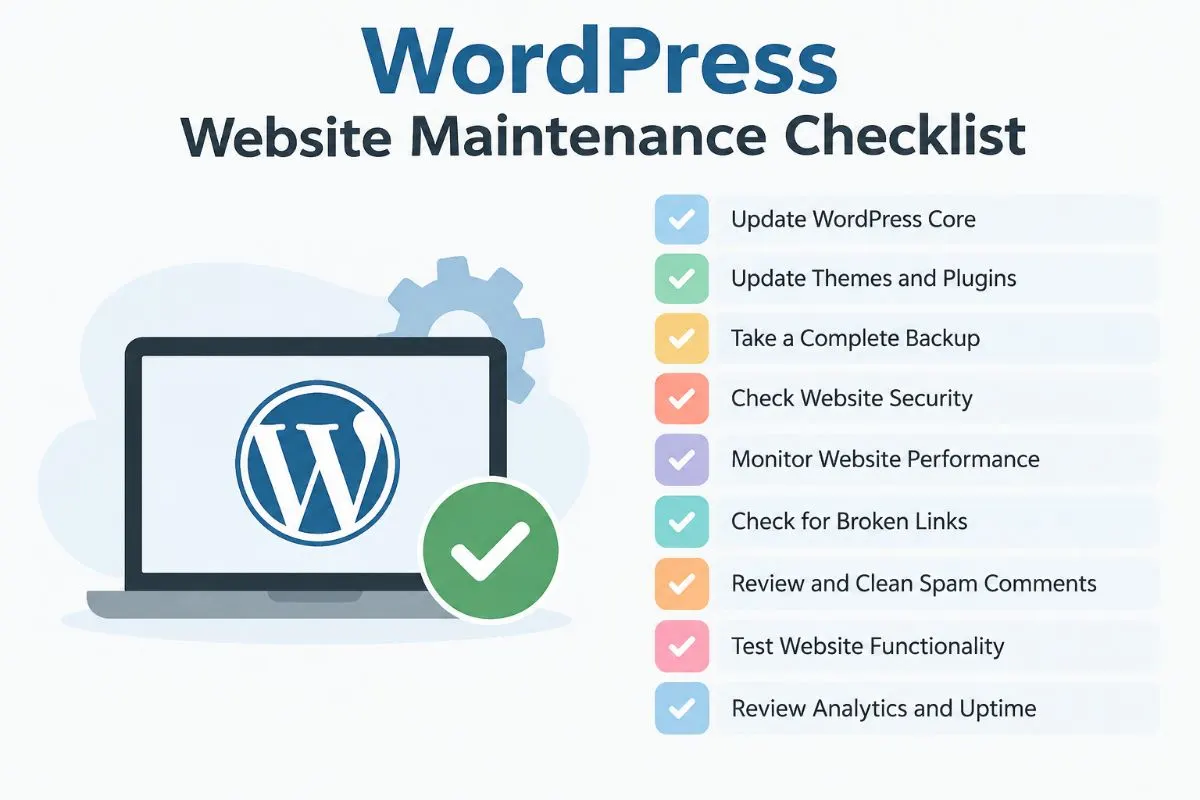
Launching a website without reviewing its core functionality can lead to missed opportunities and a poor first impression. A comprehensive business website checklist helps ensure that your website is not only visually appealing but also functional, secure and optimized for both users and search engines.
Before publishing your website, verify that every page loads quickly, displays correctly on different devices and contains clear, accurate information. Test all forms, buttons, navigation menus and internal links to ensure they function as expected. Review your metadata, page headings, image alt text and URL structure to confirm they support your SEO efforts. Make sure your contact details are up-to-date, your SSL certificate is active and your website analytics tools are properly configured.
Following a detailed business website checklist reduces the chance of technical issues after launch while providing visitors with a seamless experience from day one. A well-prepared launch also creates a stronger foundation for future marketing campaigns and long-term growth.
Common Website Mistakes Businesses Should Avoid
Even businesses with attractive websites often make simple mistakes that reduce performance and negatively impact user experience. Recognizing these issues early can help you maximize the effectiveness of your investment.
One of the most common issues is prioritizing visual design over usability. While creative layouts may look impressive, they should never make navigation difficult or hide important information. Another frequent mistake is neglecting mobile optimization. Without a fully responsive website, businesses risk losing a significant portion of mobile visitors who expect smooth browsing experiences.
Many organizations also overlook website speed by uploading oversized images, installing unnecessary plugins or using outdated hosting services. Weak calls to action, inconsistent branding and poor content organization further reduce engagement and conversion rates. Some businesses launch their website without implementing proper SEO fundamentals, making it difficult for potential customers to discover them through search engines.
Avoiding these mistakes allows your website to function as a valuable business asset rather than simply an online brochure. Continuous maintenance, regular performance reviews and ongoing improvement are essential to keeping your website competitive.
Future Trends Shaping Business Websites
Technology continues to evolve and customer expectations change alongside it. Businesses that stay ahead of emerging trends are better positioned to provide exceptional digital experiences and remain competitive within their industries.
Artificial intelligence is becoming increasingly integrated into websites through personalized content recommendations, AI-powered chatbots, predictive search and automated customer support. Voice search optimization is also growing as more users rely on smart devices to find information online. Progressive Web Apps (PWAs) are delivering faster, app-like experiences directly through web browsers, while headless architectures provide greater flexibility for managing content across multiple digital platforms.
Accessibility, cybersecurity and sustainability are also becoming central priorities in modern website development. Businesses are focusing on cleaner code, energy-efficient hosting, faster loading speeds and inclusive design practices that service a wider audience.
Keeping pace with these innovations ensures that your website remains relevant, efficient and capable of meeting evolving customer expectations. Rather than chasing every trend, businesses should adopt technologies that genuinely improve usability and support their long-term objectives.
Why Investing in the Right Business Website Features Matters
A business website should do more than establish an online presence – it should actively contribute to your growth. Every feature, from responsive design and intuitive navigation to security, accessibility and analytics, plays a role in attracting visitors, building trust and encouraging conversions.
When these business website features work together, they create a digital experience that supports every stage of the customer journey. Visitors can easily find information, engage with your brand and take meaningful action, while your business benefits from stronger search visibility, improved lead generation and better long-term performance.
Whether you are creating a new website or improving an existing one, investing in the right professional website features helps ensure your digital presence remains competitive in an increasingly crowded online marketplace.
FAQ:
The most important business website features include responsive design, fast loading speed, intuitive navigation, strong security, SEO-friendly architecture, clear calls to action, high-quality content, and analytics integration. Together, these features improve user experience and support long-term business growth.
A responsive website automatically adjusts to different screen sizes, ensuring visitors enjoy a seamless experience across desktops, tablets and smartphones. It also improves search engine rankings, user engagement and conversion rates.
Businesses should review and update their websites regularly. Content should be refreshed whenever services or information change, while security updates, performance checks and SEO improvements should be carried out consistently to keep the website secure and competitive.
A business website checklist typically includes responsive design, website speed, SEO optimization, secure HTTPS, working contact forms, clear navigation, optimized images, accessible design, analytics setup and conversion-focused calls to action before launching the website.
Professional website features create smoother user journeys by making websites easier to navigate, faster to load and more trustworthy. These improvements reduce bounce rates, increase visitor engagement and encourage users to complete actions such as making enquiries or purchases.
Bottom Line
A successful business website is not defined solely by its appearance – it is defined by how effectively it serves your customers and supports your business goals. By incorporating essential business website features such as a responsive design, intuitive navigation, fast loading times, engaging content, robust security, and user-focused design, businesses can create meaningful digital experiences that inspire confidence and drive measurable results.
Think of your website as a long-term investment rather than a one-time project. As customer expectations and technologies continue to evolve, regularly reviewing your business website checklist and improving your website will help you stay ahead of the competition while delivering greater value to your audience.
Build a Website That Works as Hard as Your Business
A high-performing website is one of the most valuable investments your business can make – but achieving lasting results requires the right strategy, design and development expertise.
At iB Arts, we build modern, conversion-focused websites that combine outstanding design, seamless functionality and exceptional user experiences. From custom website development and responsive web design to intuitive UI/UX and performance optimization, we help businesses create digital platforms that attract visitors, generate leads and support long-term growth.
Whether you are launching a new website or upgrading an existing one, our team is ready to help you build a website that delivers measurable business results.