What is UI and UX Design: Everything You Need to Know


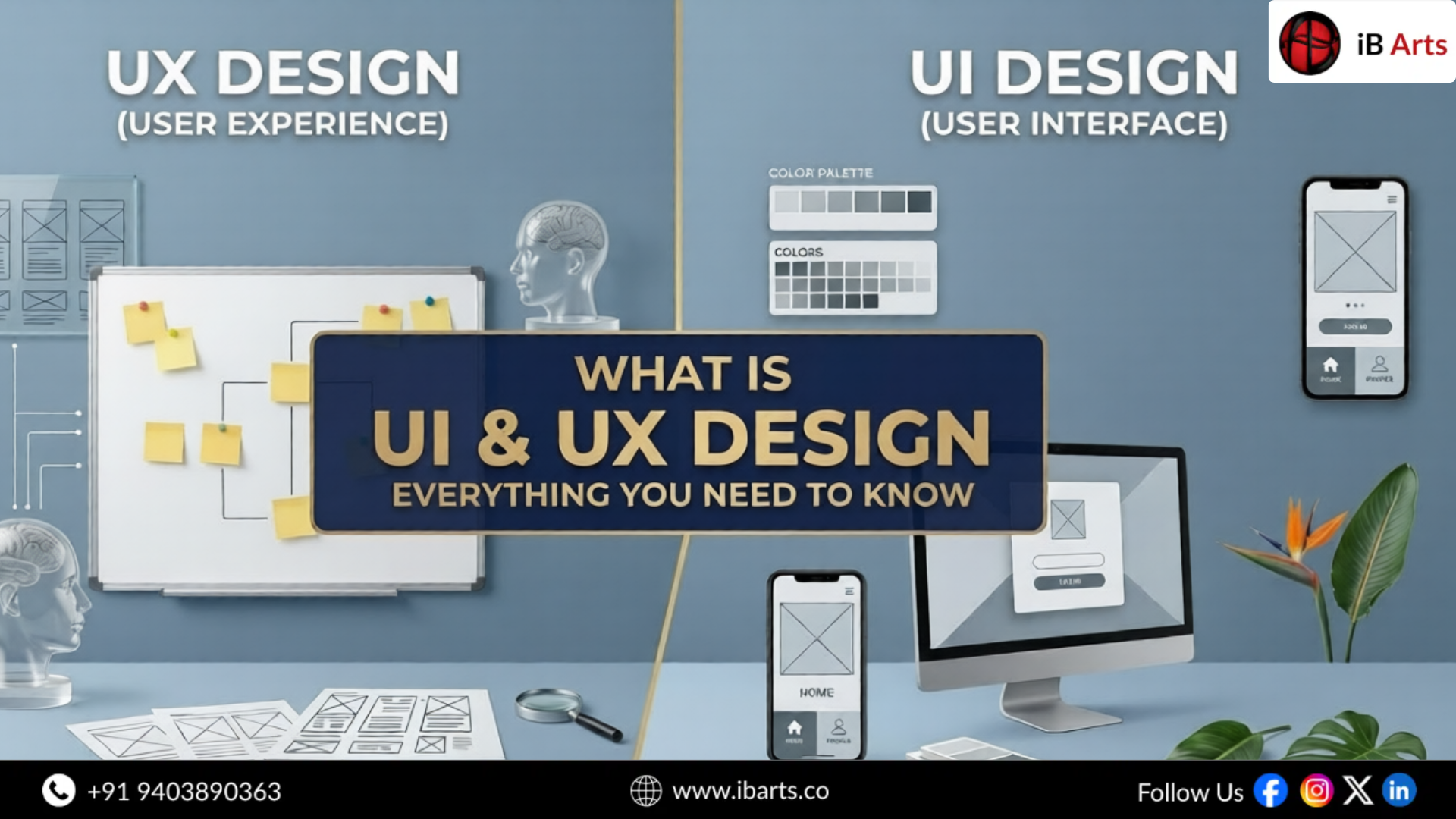
When it comes to digital use, users want and expect to have a smooth, natural and visually appealing experience not only on websites but also on mobile apps. These companies that do not comply with these expectations can see their users leave in a blink. That is why UI (User Interface) and UX (User Experience) design have become indispensable.
Even though they are paired, UI and UX are different areas that collaborate to bring forth a successful digital product. Knowing what separates, defines and highlights the significance of UI. Also, UX can be really helpful for companies to pick the right course in design. Additionally, come up with products that genuinely engage, attract and grow their customer base.
This post covers what is UI/UX design, how it works, why it matters & how businesses can use it strategically.
Table Of Contents
| 1. | Introduction |
| 2. | What is UI/UX Design? |
| 3. | UX Design (User Experience Design) |
| 4. | UI Design (User Interface Design) |
| 5. | The Difference Between UI and UX |
| 6. | Why Understanding UI/UX Design is Important for Businesses |
| 7. | The UI/UX Design Process Explained |
| 8. | Common Misconceptions About UI/UX Design |
| 9. | When Should You Hire a UI/UX Design Agency? |
| 10. | Key Principles of Effective UI/UX Design |
| 11. | UI/UX Trends for 2026 |
| 12. | The Future of UI/UX Design |
| 13. | FAQs |
| 14. | Final Words |
What is UI/UX Design?
UI/UX design basically means the combined practice of designing both the usability (UX) and visual interface (UI) of digital products like websites and mobile apps.
- UX (User Experience) is all about how a product functions.
- UI (User Interface) is all about how a product presents visually and what the experience is like on a sensory level.
Basically, when companies inquire about UI/UX design, they want to know how to develop digital experiences that are not only operational and easy to use but also visually appealing.
UX Design (User Experience Design)
To grasp the concept of UI/UX design, we first need to see what UX is all about.
UX is a method through which user satisfaction is enhanced by making the product more usable, accessible and efficient in terms of interaction. It is basically a way of ensuring that users can do what they want without getting confused or frustrated.
UX is all about the product experience:
How does the product feel to use?
Key Objectives of UX Design
- User Research & Insight
UX designers delve into the user behavior, pain points and motivations to come up with engaging solutions.
- Problem Solving
Each and every feature is aimed at solving a problem. UX makes sure the features are definitely useful.
- Logical Structure
Easy navigation and clearly laid out information are a must.
- Reduced Friction
Making forms easier, simplifying checkouts and limiting the number of actions pave the way for better user experiences.
Aside from this, when the question is raised, “What is UI/UX design?, UX is the component that ensures the website or app is functional from a user perspective and is rightly structured.
Core Elements of UX Designs
- User personas
- User research
- Custom journey mapping
- Wireframing
- Prototyping
- Usability testing
Most of the work in UX is planning and analysis. It is primarily concerned with the structure, logic and functionality before any visual design work is done.
UI Design (User Interface Design)
UI/UX design has two parts: User Interface (UI) design and User Experience (UX) design. UI design is the aspect of design that focuses on the visual and interactive pieces that users will see and interact with. This includes things such as:
- Buttons
- Typography
- Color palettes
- Grid systems
- Icons
- Animation
UI will answer the question, “How does my product (look) respond visually?” A perfect functioning product with a sloppy UI will not be perceived as credible. So part of UI/UX design is making sure that you apply both usability and visual excellence.
Key Responsibilities of UI Designs
The main duties of UI design are:
- Having Visual Consistency
Fonts, colors, space, icons and layout should match the company’s image (brand identity).
- Interactive Elements
Designers craft interactive elements (buttons, drop-downs, sliders, transitions and animations) to create a path for the user to follow.
- Clarity And Accessibility
The interface should be clear, have a visual balance and be accessible to all users, regardless of their abilities.
- Emotional Impact
Design aesthetics affect the way people perceive the website. An attractive, well-designed website creates trust and is considered more trustworthy than a poorly designed one.
Core Elements of UI Designs
- Typography
- Color scheme
- Icons
- Buttons
- Design systems
- Visual hierarchy
While UX design focuses on the structure and logic, UI design is concerned with how polished the presentation of the product is.
The Difference Between UI and UX
One of the most searched questions is the difference between UI and UX.
Here’s a simplified explanation:
| UX | UI |
| Focuses on functionality | Focuses on visual presentation |
| Research-driven | Design-driven |
| Works on user flows | Works on visual components |
| Ensures usability | Ensures aesthetic appeal |
Understanding the difference between UI and UX helps businesses find resources properly and avoid design confusion. UX defines the blueprint. UI enhances the presentation. Together, they define what UI/UX design is in practice.
Why Understanding UI/UX Design is Important for Businesses
Now we have clarified what UI/UX design is. It is time to discuss why it is a strategic necessity for today’s organization.
- Higher Conversion Rate
As users experience better journeys through your website/product, you will see a significant increase in conversions (all forms of conversion, i.e., sign-ups, inquiries and purchases).
- Lower Bounce Rate
Having clear site navigation allows users to find what they are looking for quickly, resulting in a lower bounce rate and longer time spent on your site.
- Greater Trust in Your Brand
Having a professionally designed interface will significantly increase your brand’s credibility with customers.
- Reduce Development Costs
Addressing usability problems during the design phase can help eliminate costs associated with making large changes down the road.
- Competitive Advantage
In highly competitive industries, customer experience (CX) is one major area where you can differentiate your company from your competition. Companies that have invested in UI/UX design services will often outperform their competitors who take a lackadaisical approach to designing for the user experience.
The UI/UX Design Process Explained
A well-structured UI/UX design process helps us understand the structure of both UI and UX design:
- Discovery and Research
- User research
- Market research
- Competitive analysis
- Behaviour tracking
This stage focuses on understanding user needs and business outcomes.
- Discovery and Research
Information should be organized (or organized by information) in a way that is logical and flowing through the following:- Sitemaps
- Navigation structures
- User flows
- Wireframing
Wireframes are created as low-fidelity layouts to illustrate function and position, not style.
- Prototyping
Prototypes create a tangible experience for your end user by allowing them to complete a user journey via a clickable model before the development phase starts.
- Visual UI Design
Visual designs use:- Typography
- Color palettes
- UI component libraries
- Brand consistency
- Testing and Iteration
Usability testing allows real-world users to navigate through digital products to determine if they are able to do so with ease.
The structured UI/UX design process is designed to ensure that the digital product is truly functional and polished before being made public.
Common Misconceptions About UI/UX Design
- “It’s only about making things look good.”
UX design is about making a product look good, but more importantly, UX design is concerned with the strategy and usability of the product. - “It doesn’t matter if I am a small business.”
A growth strategy should help all businesses address issues related to online usage and improve conversion rates. - “A lot of developers can create a product.”
Although development produces functional, digitally created products, it alone will not yield a highly usable product, as development is only one element in creating a usable digital product.
Understanding what UI/UX design is will result in not underestimating the strategic importance of UI/UX design in business.
When Should You Hire a UI/UX Design Agency?
If you are facing any of these problems on your website:
- High bounce rate
- Low conversion rate
- Poor mobile usability
- Confusing navigation
- Customer complaints
Your website design may need a professional UI/UX design agency. With the use of research, structure, testing and design systems. An experienced design agency can greatly enhance the digital experience for users. Organizations that want to increase their revenues and growth often find that they need to invest in good UI/UX design services. So they can provide the same user experience on every platform.
Key Principles of Effective UI/UX Design
These are the main principles to use when discussing UI/UX design:
- User-Centered Design
The user’s needs must be considered before we make a decision. - Consistency
Consistent navigation and usage patterns will help reduce the amount of mental effort that a user uses to access information. - Clarity
Labels, navigation and calls to action must all be very clear and easy for the user to understand how to find what they want. - Accessibility
The design for the website must include accessibility considerations in order to reach the largest audience possible. - Performance
The website must be fast and respond quickly to the user for the user to be satisfied with the experience they have while using your website.
UI/UX Trends for 2026
As businesses continue to explore what UI/UX design means, some UI/UX trends are emerging for 2026, such as:
- Minimalist design
- AI-personalized design
- Optimized for dark designs
- Voice-enabled websites
- Microinteractions for increasing user engagement
- Using data to develop design solutions
When we talk about trends in UI/UX design, the trend should always add to the usability and never take away from it.
The Future of What Is UI/UX Design
UI/UX design defines what the future holds by putting together various digital experiences into experience-driven ecosystems. As users carry out tasks and communicate through multiple channels such as mobile devices, desktops, wearables and many new AI technologies. The aspects of consistency and adaptability are essential to achieving success. Digital products should do the following:
- Deliver seamless transitions between different platforms.
- Create personalized recommendations based on users’ behavior.
- Allow users to complete tasks without experiencing friction
- Demonstrate accessibility and inclusivity for as many individuals as possible.
Companies that see UI/UX design as a strategic investment instead of only being an aesthetic improvement will outperform those that view it differently over the long haul.
Frequently Asked Questions (FAQ)
UI UX design involves creating the user experience (UX) of a digital product along with the visual interface (UI). UX describes how well the product functions and feels when being used, while UI describes the visual appearance of the product and how users interact with it.
The primary difference between these two processes is that UX design handles the functional aspects in terms of how users navigate through the product’s various stages while providing solutions. Conversely, UI design concerns itself primarily with the aesthetic components of a product, such as layout, typography, color schemes and interaction with design elements. Therefore, UX creates the usability of a product while providing an engaging visual experience through the UI.
Knowing what UI/UX design is extremely important because it relates directly to conversion rates, customer retention and how your brand is perceived. A positive user experience helps to reduce friction, build trust and increase user satisfaction.
Generally, the following steps are included in the UI/UX design process:
– User research and analysis
– Information architecture
– Wireframing
– Prototyping
– Visual interface development
– Usability testing and iteration
This organized methodology ensures that the product is both functionally and aesthetically pleasing.
If you have a high bounce rate on your website, have low conversions, experience problems with navigation or receive complaints about usability, then you should consider hiring a specialized agency for assistance with strategic direction and professional UI/UX design services to improve performance.
Final Words
UI/UX design is the strategic combination of functionality and aesthetics to create intuitive, efficient and engaging digital experiences.
User experience is responsible for making sure the product functions correctly. The user interface is responsible for making sure the product is visually appealing. Together, user experience and user interface can turn your digital platform into a high-performing business asset.
Investing in professional UI/UX design services from an experienced UI/UX design agency can redefine your digital success. If you are looking for growth, conversion optimization and long-term digital impact, this would be something that you should seriously consider.
Transform Your Digital Experience with IB Arts
Transform Your Digital Experience with IB Arts! At IB Arts, we don’t just define what UI/UX design services are. We also provide a strategy that will give real results to your business. We offer a performance-based partnership that combines a research-based user experience (UX) strategy and a conversion-based user interface (UI) design to create a seamless, scalable digital experience. From user research through interface design to complete product optimization, we ensure that every interaction is meaningful, simple and aligned with the growth objectives of your business.
Whether you are launching a new platform or refining an existing platform, IB Arts provides systematic delivery through a defined strategy and not guesswork.
Are you looking for a smarter way to create growth? Partner with IB Arts to develop your digital vision into measurable growth.