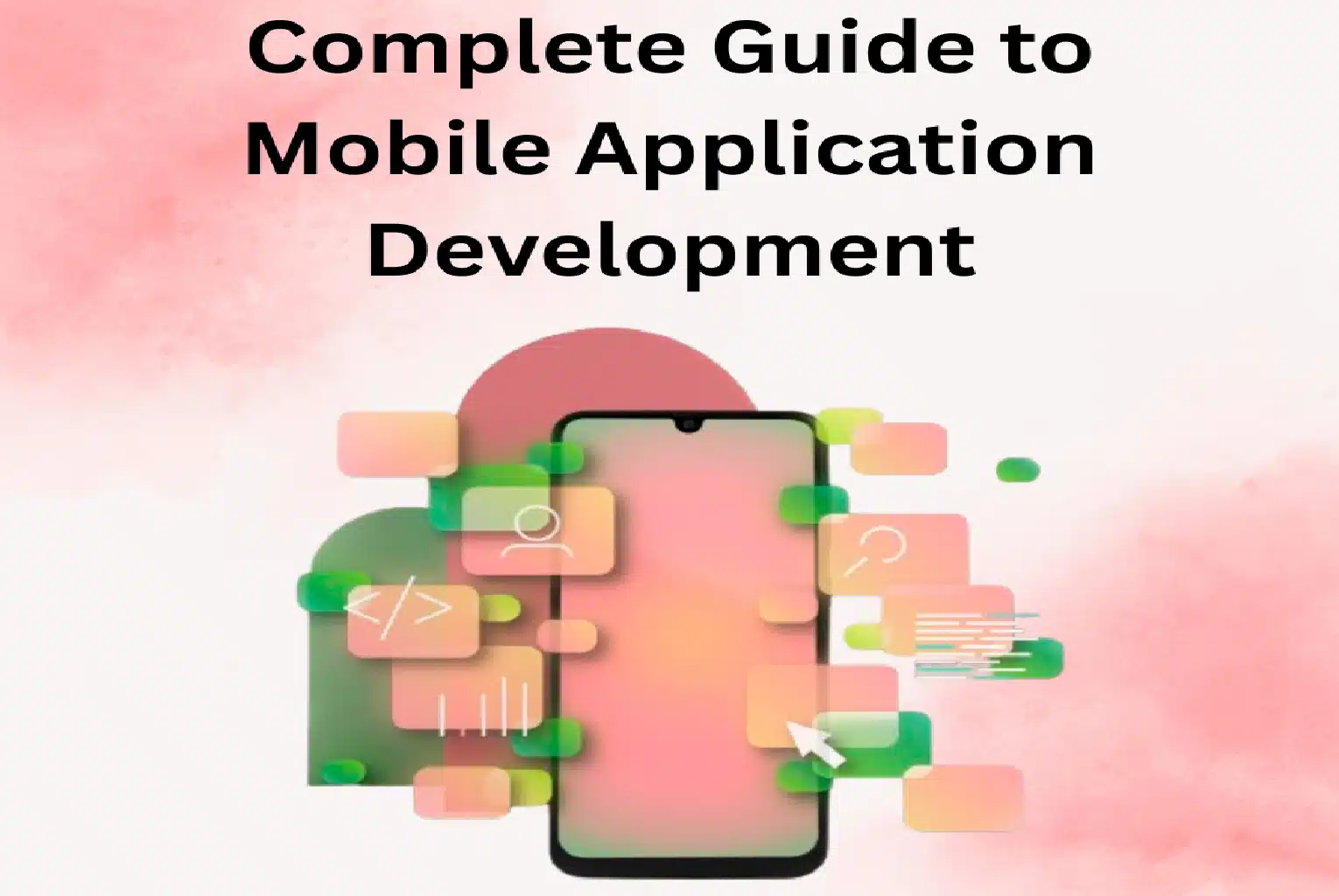
In 2026, mobile application development is no longer just about functionality – it’s about creating intelligent, user-centric ecosystems that drive engagement, customer retention and measurable business impact. With the rapid adoption of AI, immersive technologies and advanced automation, mobile apps are transforming how brands connect with their audiences across all industries.
Whether you’re a startup looking to disrupt your market or an enterprise aiming to modernize your digital presence, staying on top of the latest mobile app development trends is crucial. Today’s users expect real-time personalization, seamless performance & secure experiences and businesses that fail to align with these expectations risk losing relevance.
This guide explores the leading mobile app development trends shaping 2026, explains why they matter and shows you how to leverage them to future-proof your digital strategy.
Why Staying Ahead of Trends Matters?
Here is one piece of data that you would like to see before moving ahead. Statista states that mobile app revenue will hit $613 billion by 2026, signifying rising demand for cutting-edge solutions. Early adoption of mobile application development trends helps businesses reduce costs and meet changing user needs. Staying ahead of trends in mobile app development drives growth and stronger user engagement across competitive markets.
Experts at Gartner emphasize that future-ready apps must prioritize speed and security. Netflix uses AI-driven features to boost retention which shows that trend adoption delivers ROI. Following these trends ensures your app remains relevant and aligned with user expectations in 2026.
Top Trends in Mobile App Development in 2026
As technology advances, mobile apps are evolving by leaps and bounds. 2026 brings powerful innovations that redefine user experiences. Here are the top trends that you must look for this year.
1. AI-Powered Personalization
AI-powered personalization is reshaping user experiences, making it one of the leading trends in mobile app development today. Gartner states that by 2026, 80% of app interactions will be AI-driven. Mobile giants like Spotify use AI to deliver tailored content that boosts retention. Apart from that, mobile application technology trends show rising demand for predictive analytics.
AI helps apps understand user habits and preferences in real time. Smart features like chatbots and adaptive interfaces are now important. Embracing this trend ensures higher engagement and app growth.
Key Components:
- machine learning
- chatbots, and
- predictive UX.
Example: Spotify’s or Netflix’s AI-driven recommendations.
2. 5G Integration
With speeds up to 100x faster than 4G, 5G enables real-time gaming and HD streaming. Ericsson, a multinational networking company, says that 5G subscriptions will touch over 4.8 billion globally by 2026. It will transform mobile connectivity significantly. 5G integration is accelerating digital experiences, ranking high among trends in mobile app development for 2026.
Mobile application development trends now focus on ultra-low latency. Apps like Google Stadia benefit from faster performance on 5G networks. Developers must optimize apps for high-speed responsiveness. Embracing 5G unlocks advanced features, better UX, and wider adoption across smart devices.
Key Components:
- Faster data speeds, and
- Ultra-low latency.
Use cases: gaming, video conferencing, AR/VR apps.
3. AR/VR For Immersive Experiences
For the AR/VR market, Statista says that the sector will surpass $58 billion by 2026. The source says that it will be driven by immersive app experiences. Retail apps like IKEA Place use AR to provide users an experience where they can visualize furniture in real spaces. AR/VR is redefining digital interaction and has become a major force in trends in mobile app development for 2026.
Mobile application technology trends now focus on lifelike environments and real-time interaction. Education and healthcare apps use AR/VR for deeper engagement. Tools like ARKit power rich experiences across platforms. Developers must adopt AR/VR to stay relevant in experience-driven markets.
Key Components:
- Adoption in retail, education, and healthcare.
Tools: ARKit, ARCore, Unity.
4. Cross-Platform Development Tools
Flutter and React Native dominate mobile application development trends for flexibility. According to Statista, 42% of developers now prefer cross-platform frameworks to build mobile apps. Apps like Instagram rely on React Native for seamless performance across platforms. Cross-platform development cuts costs by up to 40% while taking care of native-like functionality.
Mobile teams benefit from quicker updates and wider reach. Using these tools helps meet diverse user needs in 2026.
Frameworks:
- Flutter
- React Native
- Xamarin
Key Components:
- Cost-effective development
- Faster time-to-market.
5. IoT-Enabled Mobile Applications
IoT-enabled apps are reshaping trends in mobile app development by connecting devices for smarter experiences. Smart home apps like Google Home control lights and security through mobile. Healthcare and logistics benefit from real-time IoT monitoring. Developers must ensure seamless connectivity and strong security for IoT integration. IoT expands app functionality and provides smarter solutions with better user engagement.
Adopting IoT trends gives businesses a competitive edge in connected ecosystems.
Can be used in:
- Smart home
- Wearables
- Healthcare applications.
6. Low-Code and No-Code Platforms
Gartner predicts that 70% of new apps will emphasize low-code tools by 2026. Platforms like OutSystems and Appgyver enable rapid development without deep coding skills. Mobile application technology trends now focus on agility and reduced costs. Low-code and no-code platforms are transforming trends in mobile app development by ramping up digital product creation.
Startups build functional apps in days, not months, using visual development interfaces. Low-code tools support integrations and responsive design for real-world use. Embracing these platforms helps businesses stay ahead in competitive markets with limited technical resources.
Key function:
- Empowering non-developers to create apps.
Popular tools: OutSystems, Bubble, Appgyver.
7. Enhanced Security and Data Privacy
Cybersecurity Ventures, a leading global research and publishing company, reports mobile cybercrime will cost $3 trillion annually by 2026. Fortunately, mobile application development trends now prioritize biometric logins and zero-trust architecture. Apps like WhatsApp use strong encryption to protect user data. GDPR pushes developers to implement transparent data practices. Enhanced security and privacy remain key trends in mobile app development as threats grow in 2026.
Secure apps build user trust and meet compliance standards. Regular audits and user-controlled permissions are becoming standard features. Security-focused development is necessary for long-term success.
Key Components:
- Biometric authentication, data encryption.
- Compliance with GDPR, and CCPA.
8. Blockchain Integration
Apps like Brave use blockchain for privacy and identity protection. Mobile application technology trends now include decentralized apps (dApps). Blockchain boosts trust by eliminating intermediaries. Finance and healthcare apps gain from tamper-proof records. Developers must focus on scalability and compliance. Integrating blockchain ensures data integrity and innovation leadership.
Key Components:
- Use in fintech, logistics, and identity verification.
- Trust and transparency.
9. Cloud-Native Mobile Apps
Cloud-native apps are reshaping trends in mobile app development by offering speed and seamless updates. IDC is a premier global provider of market intelligence. It predicts 500 million digital apps are going to be cloud-native by 2026. Mobile application development trends now focus on microservices and serverless infrastructure. Netflix uses cloud-native architecture for reliable and global service delivery.
CI/CD pipelines ensure faster releases with fewer bugs. Cloud platforms like AWS and Google Cloud support real-time scaling. Cloud-native apps reduce downtime and simplify updates. Developers using this model deliver better UX and long-term flexibility.
Key Components:
- Microservices, CI/CD, containerization.
- Scalable and resilient architecture.
Frequently Asked Questions (FAQ)
Why are mobile app development trends important in 2026?
Mobile app development trends help businesses stay competitive by aligning apps with evolving user expectations, emerging technologies and security requirements. Adopting trends early supports scalability, performance and long-term growth.
How does AI-powered personalization impact mobile apps?
AI-powered personalization enables apps to analyze user behavior in real time and deliver tailored experiences. Features such as chatbots, predictive UX and recommendation engines improve engagement and retention.
What role does 5G play in mobile app development?
5G enables faster data speeds and ultra-low latency, supporting real-time gaming, HD streaming, AR/VR applications and seamless video conferencing. Apps optimized for 5G deliver superior performance and responsiveness.
How are AR and VR transforming mobile app experiences?
AR and VR create immersive and interactive digital environments. Industries such as retail, education and healthcare use AR/VR to improve visualization, training and engagement through lifelike user experiences.
What are cross-platform development tools and why are they popular?
Cross-platform tools like Flutter and React Native allow developers to build apps for multiple platforms using a single codebase. They reduce development costs, speed up time-to-market and maintain near-native performance.
Final Thoughts
As we move deeper into 2026, mobile application development continues to evolve at an unprecedented pace. The trends outlined here, from AI-powered personalization to edge computing and secure, privacy-first architectures, are shaping the future of mobile engagement. The companies that embrace these technologies early are the ones that will win, not just in downloads, but in long-term user loyalty and competitive advantage.
Mobile apps are no longer just features in a business’s digital toolkit. They’re central hubs for customer experience, brand loyalty and revenue growth. Whether you’re enhancing your current app or building new ones from scratch, aligning with these trends will ensure your mobile strategy remains robust, relevant and ready for what’s next.
The future of mobile apps belongs to innovators and 2026 is your opportunity to lead.
Why iB Arts is Your Ideal Partner For Future-Ready Mobile App Development in 2026?
Partner with iB Arts to harness the freshest development in mobile app development for scalable digital solutions. It provides innovative apps aligned with top-notch technology trends to boost growth. Trust iB Arts to build powerful apps using cutting-edge technology. It creates next-gen apps that can take your success to the next level.